
I was delighted to give a talk about the Welsh National Temple of Peace and Health at the recent Llafur seminar ‘“To strive for a world of justice” – Community, Internationalism, and the Campaign for Peace in Interwar Wales’.
My talk drew on research conducted at the Temple and the National Library of Wales about the Temple’s 1938 opening, and the role played by bereaved war mothers in its inauguration. I initially began researching the Temple because I was fascinated by its architecture, but I quickly became gripped by the story of its founding.
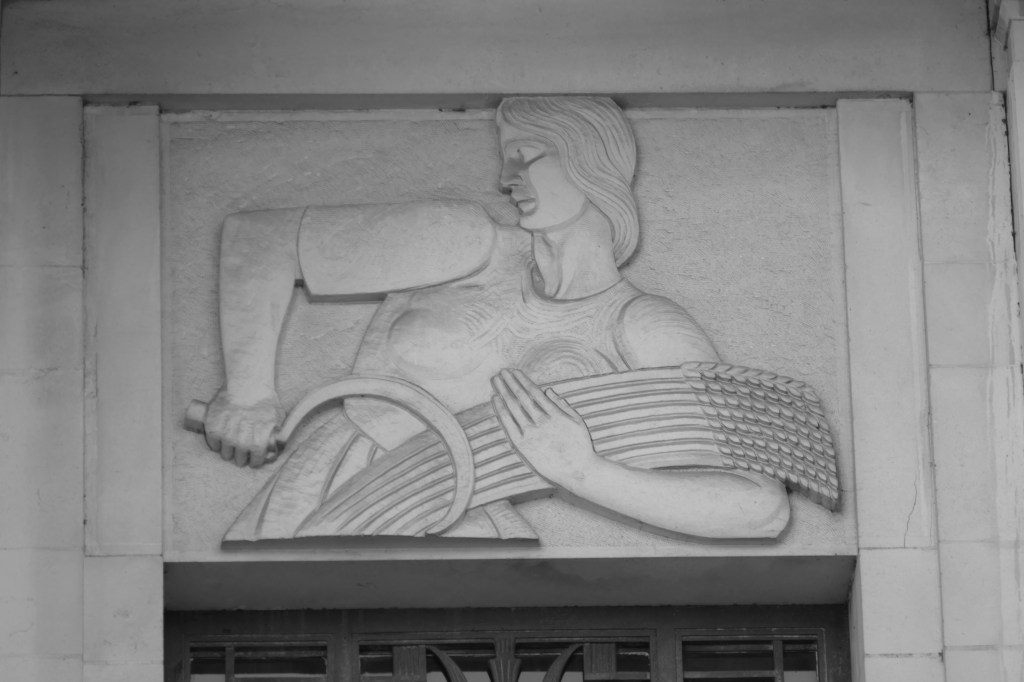
Founded in November 1938, the Temple was conceived by Lord David Davies of Llandinam after his experience serving in the trenches during the First World War. An MP and philanthropist, Lord Davies had dedicated his life to combating the dual evils of disease and war: the Welsh National Temple of Peace and Health was to be his lasting gift to the Welsh people.
First and foremost, it was to act as a memorial to those who lost their lives during the conflict. The building would act as a permanent home for the Welsh Book of Remembrance, now housed in the purpose-built Crypt, which contains over 35,000 names of those who lost their lives during WWI.
Yet Lord Davies didn’t want the building to be a ‘mausoleum’: he wanted it to be a place of inspiration, somewhere that actively furthered the causes of peace, justice and health. It would house two organisations Lord Davies had helped found: in the health wing, the King Edward VII Welsh National Memorial Association, an organisation founded in 1912 with the aim of eliminating tuberculosis in Wales; in the peace wing, the Welsh National Council of the League of Nations Union (LNU), a voluntary organisation which supported the League’s work to preserve peace worldwide.
More than that, though, Lord Davies hoped that the building would constitute ‘A New Mecca’: a place of pilgrimage to which people from around the world could march and pledge themselves to peace.
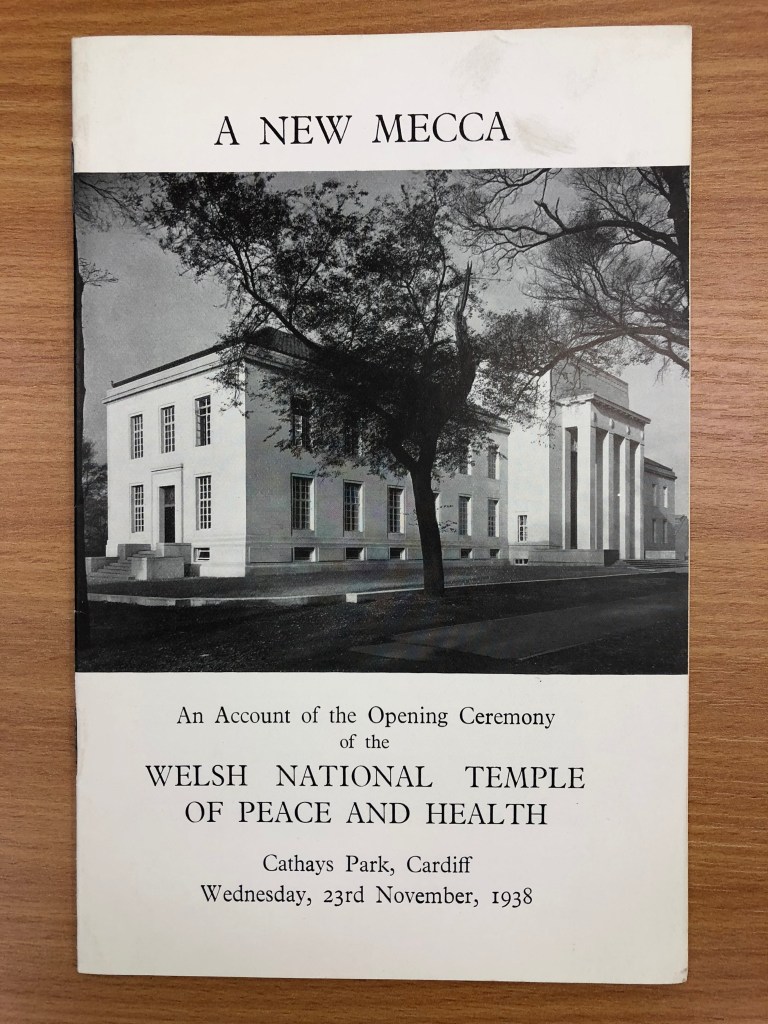
You can watch the Llafur seminar here. My paper was given alongside two fantastic presentations by Rob Laker and Craig Owen, which explored the role of the Davies family, the Welsh League of Nations Union and community organisers in interwar campaigns for peace. Together, our talks mapped some key events in the interwar peace movement, from the Welsh Women’s Peace Petition of 1923, to the Peace Ballot of 1935 and the opening of the Temple of Peace in 1938.
 Revolutionary Red Tape